
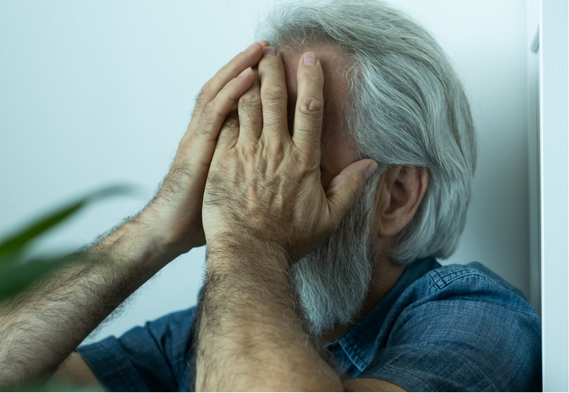
Did you know that some of the signs of caregiver stress may also be related to depression? Signs can be psychological feeling sad and hopeless much of the time, crying at minor upsets, experiencing irritability or anxiety, having trouble focusing, finding it difficult to complete complex tasks, or losing
interest in activities that once brought pleasure. There are also physical symptoms – feeling tired and lacking energy to complete daily tasks; waking in the night and having nightmares or waiting to sleep too much; and having an increase or decrease in appetite or weight.
It is estimated that as many as 20% of people age 65 and older suffer mild to severe depression and that
seniors are among the most under-treated population for mental health. Depression may be overlooked
in seniors because of negative stereotypes, such as “depression is natural – a lot of depressing things
happen to older people”. The symptoms of depression differ between older and younger adults.
Depression in seniors is marked by anxiety, agitation, physical complaints and memory loss which might
be mistaken for dementia or a physical problem. Depression might mimic other diseases or be masked
by other illnesses or be caused by the side effects of some drugs.
Seniors are more likely to be depressed if they are recently bereaved, socially isolated or have low socio-
economic status. Those who are in poor health or have a physical disability or are experiencing stressful
life events are also more a t risk. Seniors caring for a spouse or family member with dementia have a
higher incidence of both depression and health problems.
There are serious consequences if depression is not detected and treated which might limit a senior’s
ability to function independently. A person withdraws and becomes socially isolated and may alienate
those people who provide support. A dependence on alcohol or sedatives can develop. Depression can
interfere with a person’s motivation to take medication.

There are many options for treatment. Some of these include help from your family doctor, a geriatric
specialist, a psychiatrist, a psychologist or other professionals with mental health training such social
workers and nurses. Antidepressant drugs are often prescribed because they can help improve mood,
sleep, appetite and concentration. Your doctor will choose the appropriate drug and work with you to
monitor the effects.
Support groups and self-help groups are also helpful when depression results from bereavement, illness
or caring for an ill family member. Groups help with coping skills, information exchange and mutual
support. If you think you are depressed or you are worried by symptoms, don’t hesitate to talk to your
doctor and ask for help – just as you would seek help for a broken arm or poor eyesight.
If you are caring for someone who is depressed, take time for yourself – eat right, exercise and learn
about relaxation techniques. Living with a depressed person who is irritable, hostile or pessimistic is
challenging. It is normal to feel angry and resentful. Try to find constructive outlets for your anger and
ask others to help you provide support.
Caring for mental health is not only an important part of caring for our total good health but is essential
to a senior’s ability to live independently and to have a full, satisfying life.