
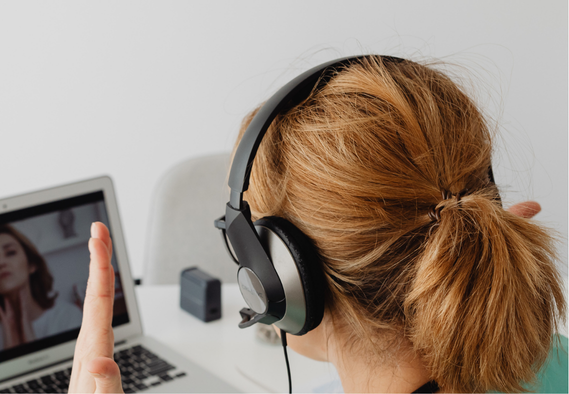
“Everyone has a story to tell… if only someone would listen… if only someone would ask.”
If a caregiver and their care receiver have a quality relationship, both parties benefit. As with all relationships, positive mental health results in fulfillment and satisfaction for both participants, particularly those who are at a difficult stage in their lives.
Some characteristics that constitute a quality relationship include being: honest, non-judgmental and non-critical, empathetic, respectful to each other, genuine, helpful and fun.
Attitudes or behaviors that discourage a quality relationship include: power or control imbalance,
imposing one’s own will, giving orders, not listening, knowing what is best for the other person, doing
things out of a sense of guilt or duty, nagging or making unreasonable demands and ignoring the other
person’s needs.
Communication skills are essential to maintain or create a quality relationship. Good skills can help you
to identify the feelings the other person is trying to express behind the spoken words. One key to good
communication is learning how to describe your feelings. Do you say clearly what you are feeling? Do
you ask the other person to say how they feel about the subject? Do you listen without interrupting?
Communication is 7% verbal (what we say), 38% tonal (how we say it) and 55% physical (nonverbal;
body language and facial expressions).
One communication technique is called active listening. It is probably one of the most important skills in
establishing trust in a relationship. It helps a person to clarify their ideas, thoughts and feelings and gives
you the opportunity to get to know them better. It helps a person feel better about themselves. It helps
with decision making.

You may find it surprising that silence is one type of active listening. Some people find silence awkward
but it can be a way to show respect, understanding and concern. Every statement does not need a
comment or a solution; silence allows a person time to simply be.
Another way to show you are actively listening involved your body language. Your posture, actions and
facial expressions are all important and constantly deliver messages. By facing the person you are
saying, “I’m available to you”. Leaning toward the person shows interest. Being relaxed shows that you
are comfortable and makes the other person feel at ease. Having good eye contact shows you are
actively listening.
Just as you send messages with your body, so does the other person. Try to tune into the messages they
are sending by being aware of such things as their actions or the tone of their voice. These non-verbal
cues may be contradicting what they are saying.
Encouragement is another way to promote conversation. Too often we cut people short. You can help a
person to talk more by saying such things as, “I understand,” or “I’d like to hear more about that,” and
by nodding your head or repeating some of the last words the person said.