
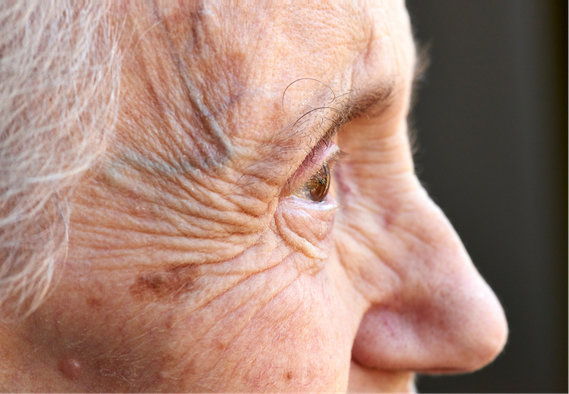
There are many myths and misconceptions about aging that create negative impressions about older persons. These false ideas can lead to a form of discrimination called ageism. With their years of experience and knowledge, seniors are a resource we need to acknowledge, respect and value. Think of
all the things we see older people doing, such as working, volunteering, helping children and being active. As you answer true or false to the following questions you may find some of the answers surprising.
1. It is possible to improve some of the memory loss often experienced by the elderly.
True – Memory loss can be caused by conditions which are treatable such as poor nutrition, depression,
loneliness, blood disorders, over-medication or the interaction of medications. By correcting the
underlying condition, memory may be improved.
2. The majority of older adults become senile or demented.
False – Only 30% of those over age 85 have any dementia. Aging by itself produces no decline in mental
functioning except short-term memory has a more limited capacity. Registering information may be
slower and learning may take longer. Concentration is better and problem solving skills improve.
3. Falling is one of the major causes if injury in older adults.
True – Falls are the leading cause of accidental injury and the 6th leading cause of death in seniors. Falls
occur most often in the bathroom and may be related to physical changes of aging including mobility
problems and visual changes as well as the overuse or interaction of medications. Poor lighting, scatter
rugs and unsafe bathroom equipment also contribute to falls.

4. Twenty-five percent of all persons over age 65 live in institutions.
False – Most older persons live in their own homes. Although there are regional differences in the
percentage of elderly persons living in institutions, the national average is only 10%.
5. Depression is a serious problem for older adults.
True – Up to 15% of elderly women may suffer from depression. Depression, loss of self-esteem,
loneliness and anxiety can become more common as older people face retirement. Multiple losses such
as death of a spouse, friends or other crises often occur around the same time. Fortunately, depression
is treatable.
6. Personality changes with age.
False – Personality doesn’t change with age and all older people can’t be described as rigid or difficult.
You are what you for as long as you live. However, you can always change your habits for the sake of
your health.
7. Stress in a caregiver’s life is rarely a factor for precipitating abuse of an older adult.
False – Family caregivers often experience physical, emotional and financial pressures when caring for
an older relative. The stresses of caring for an older person who has health problems, when combined
with unresolved personal issues and other responsibilities (such as work or child rearing) may lead to a
potentially abusive situation. There are many community support services that can help reduce
caregiver burden and allow the older person to increase their independence.
8. Family members today do not provide as much care for their older relatives as they did in the
past.
False – Research shows that 80-90% of the care which older adults receive today is provided by family
members.