
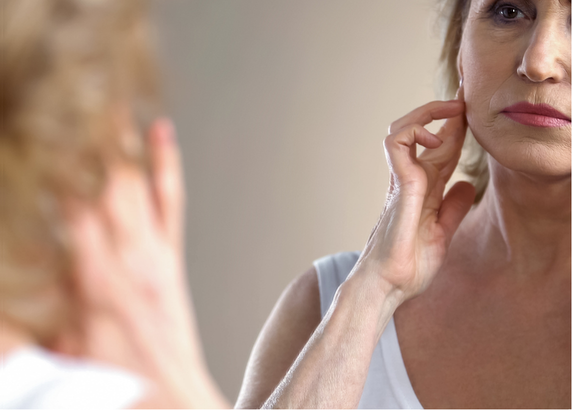
It has become evident through research that 50% of the factors that influence health include environment, heredity and health services. The other 50% depends upon the individual’s lifestyle. Imagine a person has direct control over at least half of the factors that influence their health. Since we have power over our health, we have some control over the way in which we age. It is our responsibility to become as ware and informed as possible about our own bodies and minds and the changes that may occur during the normal aging process.
Not being physically active is much less safe.
Typically older adults who have arthritis, diabetes or osteoporosis can safely do physical activity to
improve their health and fitness. Physical activity will make your joints work better and can reduce the
pain of arthritis.
Why get stronger? Strong arms and legs will help you drive, lift bags of groceries and walk around. If you
are strong, you can stay active.
Why stretch? The more you stretch, the easier it will be for your neck, shoulder, elbow, wrist, hip, knee
and ankle joints to move. To drive and stay active you need your joints to move freely without pain or
stiffness. Stretching also helps with coordination and lowers stress.
Why improve balance? Improving your balance and coordination lets you be more active and can help
prevent falls when walking or standing.
Why build endurance? You need energy to get in your car and drive. Doing more physical activity can
build stamina, which helps you keep going when you’re behind the wheel.

You don’t have to spend hours every day being physically active to get health benefits. Whether you are
65 or 95, about 30 minutes of physical activity a day will help you be more active so you can do the
things you want to do. You don’t need any special equipment or clothing to start.
See your doctor before starting an exercise program if you have a heart condition, high blood pressure,
chest pain, arthritis, diabetes or other chronic conditions. If you have had a hip or knee replacement,
check with your health care provider before doing lower-body exercises.
Tips for exercising:
- Do 30 minutes of moderate activity every day
- Moderate activity would be briskly walking 1 kilometer in 20 minutes
- You don’t have to do the activity all at once; try doing 10 minutes in the morning, afternoon and
evening.
- Wear loose comfortable clothing and shoes with good support
- Use a sturdy chair with no arms and a high back to steady yourself
- Drink water before, during and after you exercise
- Make sure to keep breathing!
- When you start each exercise, squeeze your stomach muscles as you breath out to support your back
- Stop and rest 1-2 minutes if you get too tired while exercising
- Begin slowly and gradually to build up endurance; don’t push yourself too hard
- Stop and see your health care provider if the exercise hurts, if you have chest pain, pain that
does not get better or a feeling of ‘pins & needles”
- A little bit of soreness a day or two after you start exercising is ok. Taking a warm shower or
bath may help.
- Listen to your body; respect that it knows when you’ve had enough
Get fit, stay active and keep the car keys longer!